Where to Stay in Tokyo With Kids: Best Areas for Families
Tokyo is incredible with kids. But figuring out where to stay in Tokyo with kids will shape your entire experience.
The right neighborhood means short walks to the train, easy food options, and enough space to actually relax at night. The wrong one can mean crowded stations, long transfers, and five people trying to function inside a room built for two.
We’ve toured Tokyo as a family of five. We’ve stayed in apartment-style hotels, studied room layouts, tested transit routes, and learned quickly that area matters just as much as the property itself.
This is one piece of our broader Japan with kids strategy, which fits into how we approach traveling across Asia as a larger family. Before choosing a hotel, you need to choose the right base.
Here’s how to think about Tokyo neighborhoods so your days feel smoother from the start.
Jump to: Criteria that matter, Best areas to stay, Neighborhood comparison, Split your stay, Type of accommodations, Where we’ve stayed, Other stay options, FAQs
Affiliate Disclosure: Familee Travel contains affiliate links and is a member of the Amazon Associates Program, we may earn commissions from qualifying purchases at no additional cost to you.
In a rush? Pin this or email it to yourself to read later! (Psst! Use the buttons at the very top or bottom of this post for ease.)
 / Asia | Japan / What Areas to Stay in Tokyo / Best Neighborhoods for Visiting with Kids. Featured graphic pin image for Pinterest for a travel guide about where to stay in Tokyo with kids and the best family friendly neighborhoods.](https://www.famileetravel.com/wp-content/uploads/2026/03/Where-to-stay-in-Tokyo-with-kids-Pinterest-pin-683x1024.jpg)
If you’re planning Tokyo with a baby or toddler, these neighborhood decisions matter even more. Elevator access, shorter station walks, and realistic room layouts can make the difference between a smooth day and a frustrating one. We go deeper into baby-specific logistics and pacing in our Japan with a baby guide, but choosing the right base is the first step either way.
What Actually Matters When Choosing Where To Stay in Tokyo With Kids
Before you look at a single hotel photo, zoom out.
It’s easy to plug Tokyo into a hotel booking site and choose based on a sleek lobby or rooftop view. But in Tokyo, the neighborhood you pick will shape your day-to-day far more than the design details.
The neighborhood you choose will affect your daily rhythm more than the thread count on the sheets. Transit access, room layout, and walkability matter far more than lobby aesthetics.
Here’s what actually makes a difference for a family trip.
Space matters more than you think
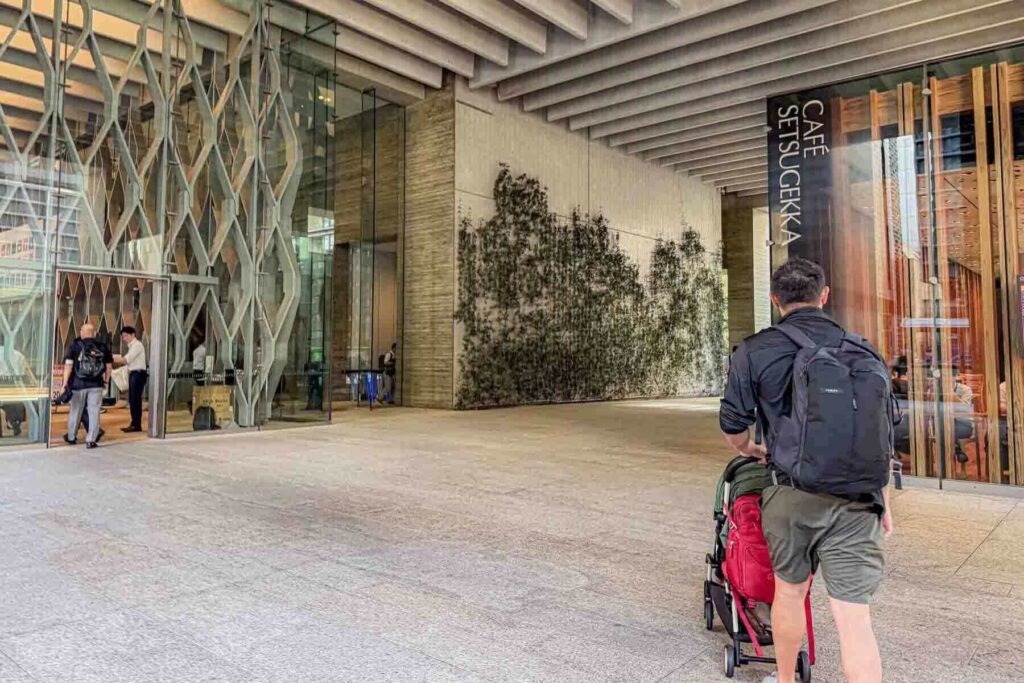
Tokyo hotel rooms are famously compact. That’s fine for two adults. It changes quickly with kids.
If you have 5 in your family, you already know the math often does not work. Many standard rooms cap at four people, some only three. Even when five are technically allowed, square footage can feel tight once suitcases are open and everyone needs a place to sleep.
Look at:
- Total square meters, not just photos
- Bed configuration, not just “family room” labeling (what they consider a double in Japan is often smaller than the Western expectation)
- Storage space for luggage
- Bathroom layout
Space is not a luxury in Tokyo with kids. It’s stress prevention.
Transit access is top priority
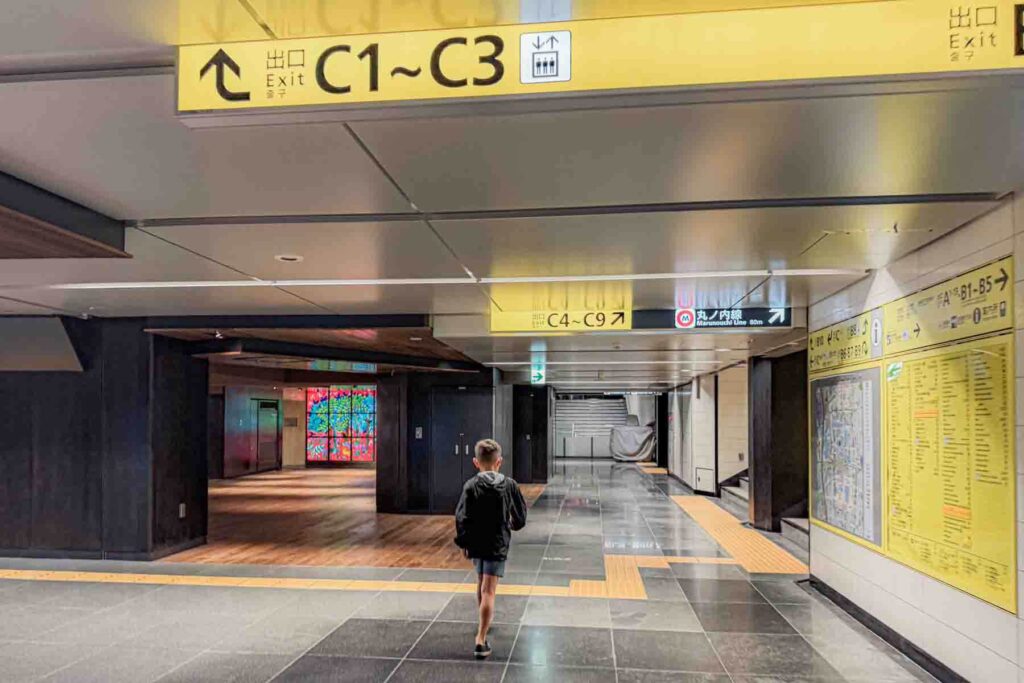
Tokyo’s public transportation is excellent. It is also large and layered.
Being “near a station” is not enough. You want:
- A short, simple walk to the entrance
- Access to major lines like JR or the Ginza line
- Elevators, if you’re using a stroller
A five-minute walk feels very different when you’re carrying tired kids at the end of the day. Choose a base that minimizes transfers and long underground corridors.
If you’re changing hotels between neighborhoods or cities, using a luggage forwarding service in Japan can make transitions significantly easier. Removing large suitcases from the equation changes how manageable those station transfers feel.
Your future tired Tokyo self will thank you.
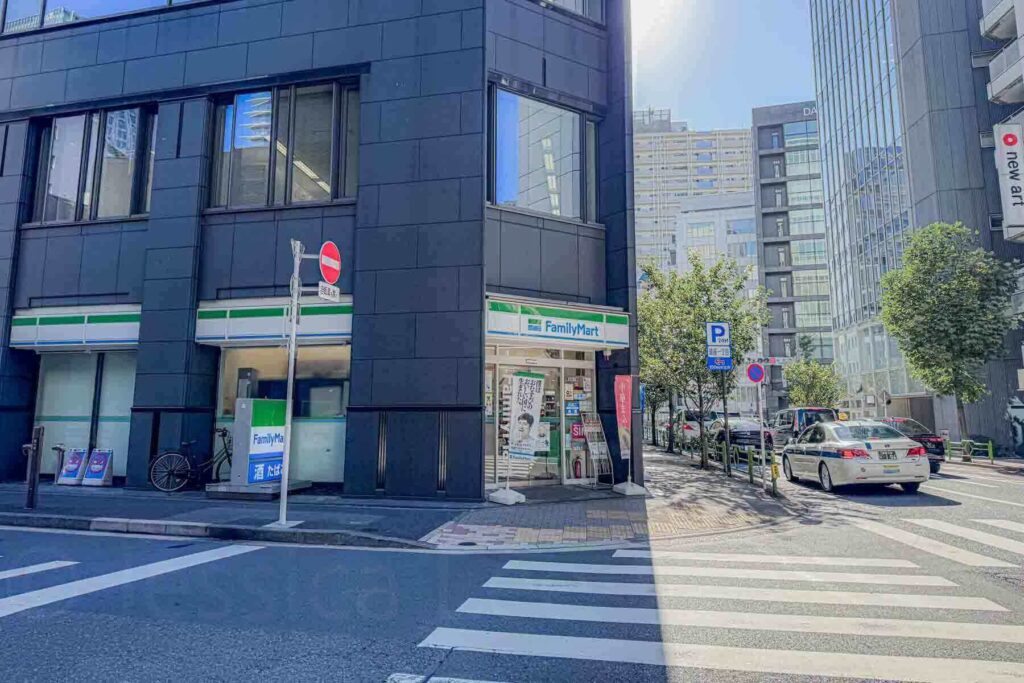
Food and daily convenience matter
Tokyo is one of the easiest cities in the world to eat well. That does not mean you want to search for breakfast every morning.
Having a convenience store downstairs. Casual noodle shops nearby. A grocery store within walking distance. These small details make jet lag mornings smoother and late dinners easier.
When traveling with kids, convenience compounds.
Match the neighborhood energy to your family
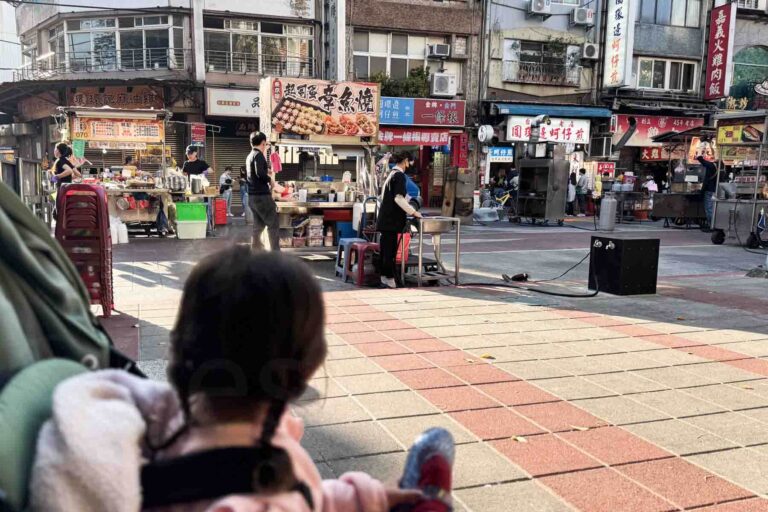
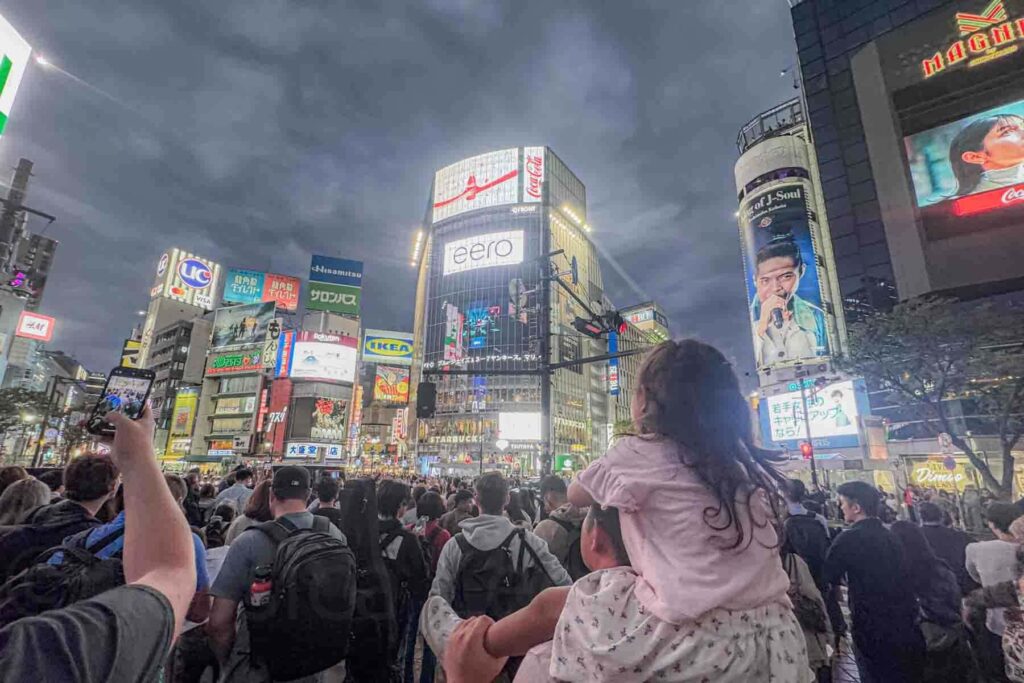
Some areas are calm and residential. Others are bright, busy, and packed late into the night.
If your kids crash early, a quieter neighborhood might feel better. If you love stepping straight into the action, you may prefer a livelier area.
Neither is wrong. The key is choosing intentionally.
Once you know what matters most to your family, narrowing down the right part of Tokyo becomes much simpler.
Best Areas To Stay in Tokyo With Kids
The best areas to stay in Tokyo with kids are typically Asakusa, Ueno, Shinjuku, and parts of Sumida City because they combine strong transit access, walkability, and family-friendly room options.
Tokyo is large, but most families gravitate toward a handful of neighborhoods that balance transit access, walkability, and practical accommodations.
There is no single “best” area. The right choice depends on how you plan to move through the city, how much space you need, and what kind of energy feels comfortable for your family.
Here’s how the main areas compare.
Asakusa – calm, walkable, and extremely family-friendly
Asakusa is one of our favorite areas with kids.
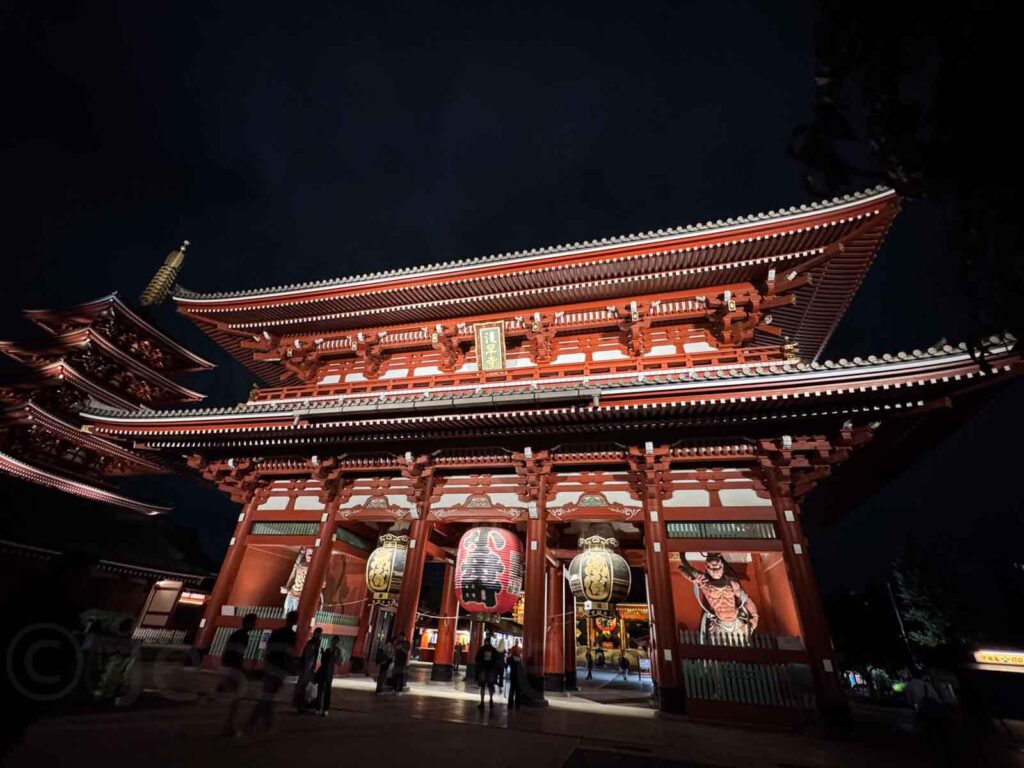
It has a neighborhood feel that is noticeably calmer than Shibuya or Shinjuku. Streets are easy to navigate. You can walk to Senso-ji Temple. There are convenience stores, casual restaurants, and plenty of everyday life happening around you.
Transit access is strong through the Ginza line and other connections, and there is a solid concentration of apartment-style hotels here. That makes it especially appealing for families of five who need more space.
Best for:
- First-time Tokyo visits
- Families with toddlers
- Longer stays
- Families prioritizing space and calmer evenings
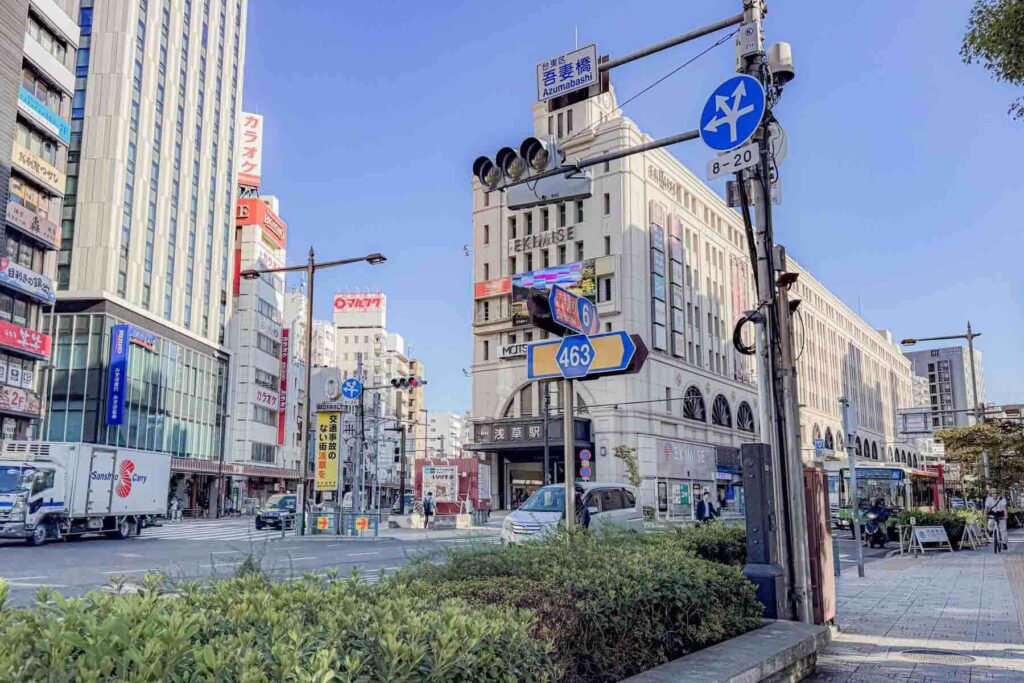
Sumida City – local feel near Asakusa without the crowds
Sumida sits just across the river from Asakusa and often gets overlooked in typical Tokyo neighborhood lists.
It offers a more residential, low-key atmosphere while still being within easy reach of major sights. You’re close to the Skytree area, local neighborhoods, and multiple train lines that connect into central Tokyo.
It does not have the same density of attractions directly outside your door as Shibuya or Shinjuku. Instead, it feels quieter and more local. For families who appreciate calmer streets and don’t mind a short train ride into busier areas, that tradeoff can feel worth it.
Best for:
- Families wanting a residential feel
- Travelers who prefer quieter evenings
- Longer stays where you don’t need constant sightseeing outside the door
Ueno – practical and underrated
Ueno often flies under the radar, but it is extremely practical with kids.
Ueno Park offers open space, museums, and the zoo. The area has excellent transit connections, including easy access to the Skyliner from Narita Airport. That can make arrival day smoother.
It may not feel as polished as some other neighborhoods, but it is functional, connected, and often offers good value.
Best for:
- Families arriving via Narita
- Museum-focused days
- Parents who want strong transit without the chaos
Shinjuku – maximum transit convenience
If your priority is transportation, Shinjuku is hard to beat.
Shinjuku Station connects you almost everywhere. Airport buses are easy. Day trips are simple. Hotel inventory is large.
The tradeoff is intensity. The station is massive. Streets can be busy. Evenings can feel bright and active.
Best for:
- Short stays
- Families planning multiple day trips
- Returning Tokyo visitors comfortable navigating large stations
Shibuya – energetic and compact
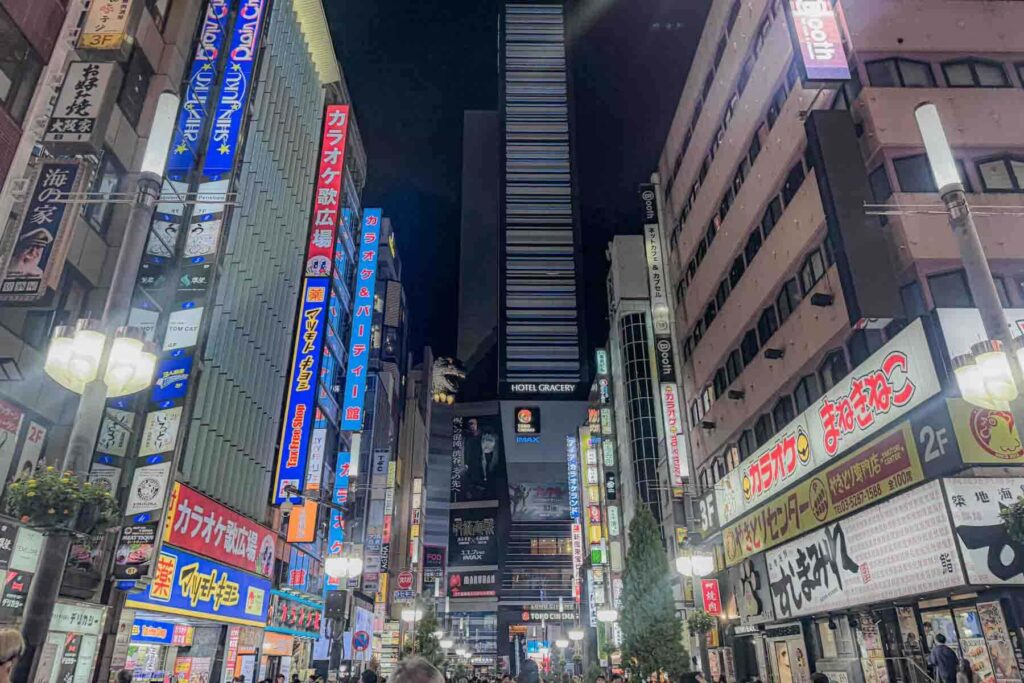
Shibuya is walkable, lively, and full of energy.
You can step outside and immediately be in the middle of restaurants, shops, and iconic Tokyo sights. It is compact and convenient, especially with older kids who can walk confidently.
Room sizes tend to be smaller, and apartment-style options are more limited than in Asakusa.
Best for:
- Families with older kids
- Short, energetic stays
- Parents who enjoy a lively atmosphere
Tokyo Station / Marunouchi – strategic and central
Staying near Tokyo Station makes logistics simple.
If you plan to use the bullet train or move between cities, this area is efficient. It feels polished and organized, with wide sidewalks and strong transit access.
It is more business-oriented and often more expensive. Apartment-style inventory is more limited.
Best for:
- Families combining Tokyo with other cities
- Short stays with tight schedules
- Parents who value central positioning
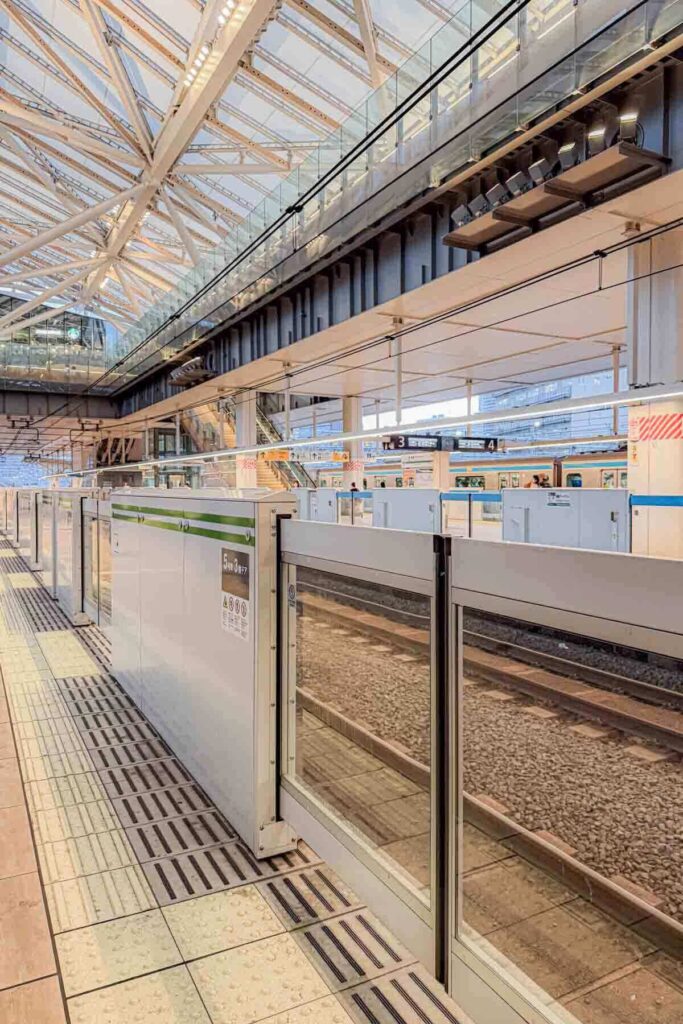
Ginza – central and sleek
Ginza is compact and extremely well-connected.
You can walk to multiple subway lines. Streets are easy to navigate. Dining options are everywhere.
It has a more upscale, shopping-focused feel. Room sizes can be tight, and it may not feel as residential as Asakusa or parts of Ueno.
Best for:
- Short stays
- Families that prefer a polished urban setting
- Parents prioritizing central access
Minato City – flexible and more residential in pockets
Minato City is large and varied. Areas like Akasaka, Azabujuban, and parts of Roppongi offer a mix of residential streets and strong transit connections.
It does not feel like one single cohesive neighborhood. You need to pay attention to the exact station location when booking.
It can be a good fit for longer stays or families who prefer a slightly quieter base while staying well connected.
Best for:
- Longer trips
- Families comfortable navigating transit
- Parents looking for residential pockets
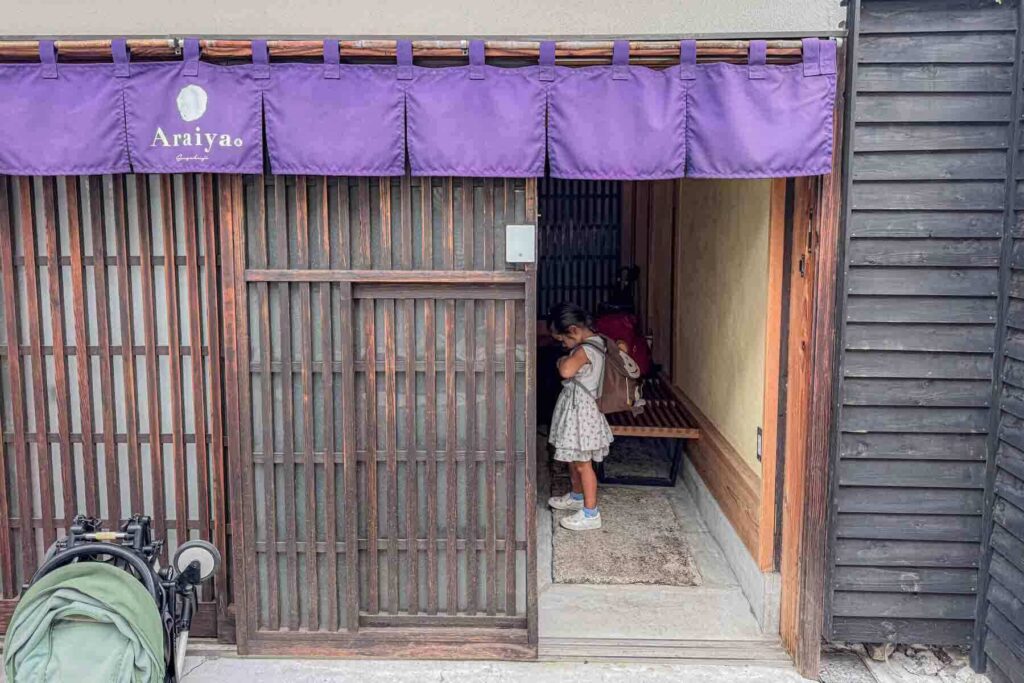
Tokyo Bay / Disney Area – space with tradeoffs
Hotels around Tokyo Bay often offer more space and a resort-like feel.
If your trip heavily includes Tokyo Disney or DisneySea, staying here can make those days much easier.
The tradeoff is distance. Commuting into central Tokyo each day adds time and structure to your schedule.
Best for:
- Disney-focused trips
- Families who prefer larger hotel rooms
- Short Tokyo add-ons rather than full city exploration
Once you narrow down which type of neighborhood fits your family’s rhythm, choosing the right property becomes less overwhelming.
Quick comparison – which area is best for your family?
This is where narrowing down your neighborhood choice makes the final property decision much easier. Once you know your base, you can evaluate square footage and layout with clarity instead of trying to compare multiple layers of criteria spanning all directions of Tokyo.
| Area | Best For | Transit Strength | Space Potential | Energy Level | Works Well for a Family of Five? |
|---|---|---|---|---|---|
| Asakusa | First-time visits, longer stays | Strong subway access | High with apartment hotels | Calm to moderate | Yes, especially apartment-style stays |
| Sumida City | Residential feel, quieter base | Good connections with short train rides | Moderate to high | Calm | Yes, with larger layouts |
| Ueno | Museum access, Narita arrivals | Excellent JR + Skyliner | Moderate | Moderate | Yes, if room size is confirmed |
| Shinjuku | Transit hub, short stays | Excellent, major hub | Moderate | High energy | Possibly, depends on room category |
| Shibuya | Walkability, older kids | Strong subway access | Lower overall | High energy | More challenging for five |
| Tokyo Station / Marunouchi | Bullet train access, efficient trips | Excellent | Moderate | Moderate | Possible but often higher cost |
| Ginza | Central access, short stays | Excellent subway access | Lower to moderate | Moderate | Depends heavily on layout |
| Minato City | Longer stays, residential pockets | Good but varies by station | Moderate to high | Low to moderate | Yes, if carefully selected |
| Tokyo Bay / Disney Area | Disney-focused trips | Good but longer commute to central Tokyo | High | Calm to moderate | Yes, especially for larger hotel rooms |
If you want calmer evenings and easier layouts, Asakusa, Ueno, and parts of Sumida often make sense.
If transit convenience is your top priority, Shinjuku, Ginza, or Tokyo Station simplify logistics.
If you’re looking for something closer to a residential over tourist feel, Sumida or Minato City may work.
If your trip centers around Disney, Tokyo Bay removes commute stress.
Consider splitting your stay between two neighborhoods
You don’t have to choose a single Tokyo base for your entire trip.
If your schedule allows, splitting your stay between two neighborhoods can make the city feel much more manageable. You might spend several nights in Shinjuku while exploring western Tokyo, then move to Asakusa or Sumida City for the second half of your trip.
This approach reduces daily transit time and lets you experience different sides of the city. It can also make the decision of where to stay in Tokyo feel far less restrictive since you are not trying to solve every priority with one location.
One more thing: there is no single “perfect” Tokyo neighborhood
Every Tokyo neighborhood offers a different balance of transit access, atmosphere, and room options. Some areas feel calmer and more residential. Others place you directly in the middle of Tokyo’s busiest districts.
The good news is that Tokyo’s train system connects everything efficiently. As long as you stay within a well-connected neighborhood, you’re unlikely to feel stuck or limited during your trip.
The goal is not finding the perfect location. It’s about choosing a base that works with your daily flow, not against you.
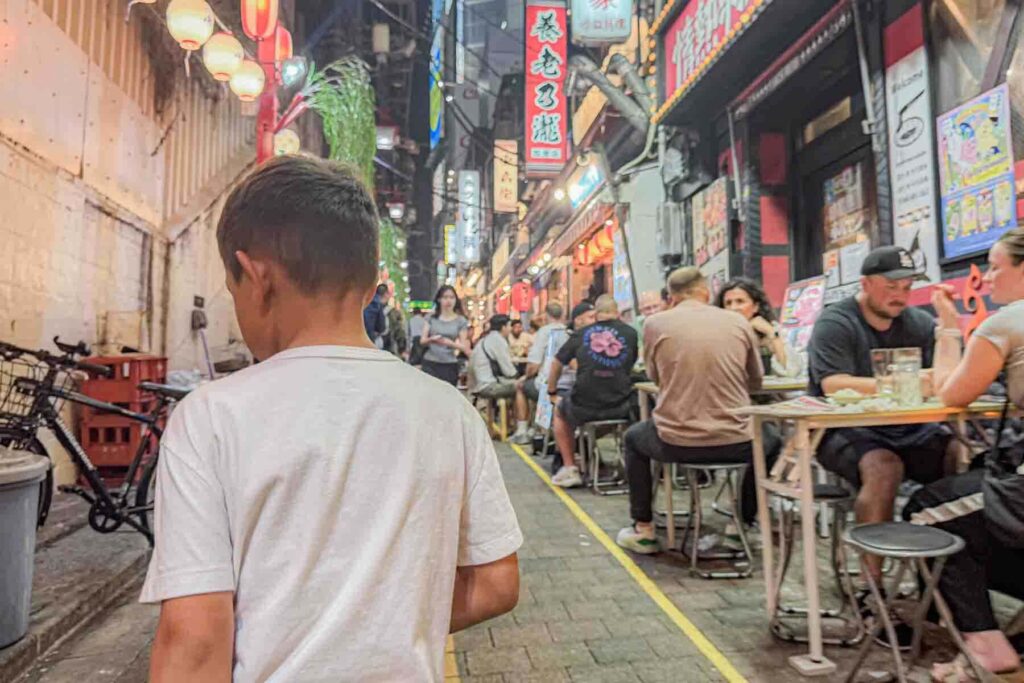
Apartment Hotels vs Traditional Hotels vs Private Home Stays in Tokyo
Once you’ve narrowed down your neighborhood, the next decision is what type of accommodation actually fits your family.
In Tokyo, layout matters more than brand name. Square footage and sleeping configuration will shape your experience far more than lobby design.
Here’s how the main options compare.
Traditional hotels – simple and central, but often compact
Traditional hotels are widely available across Tokyo and often offer the most central locations.
They work well for:
- Short stays
- Couples
- Families with one child
- Trips where you’re rarely in the room
The challenge comes with space.
Many standard rooms cap occupancy at four. In the most compact hotels, some may cap a room at only two or three. Even when five are technically allowed, the layout can feel tight once luggage is open. Bed configurations may include two twins and a small sofa bed. Floor space is limited.
For a quick stay in a prime location, this can be completely fine. For longer stays with multiple children, it requires careful review of square footage and room layout before booking.
Apartment hotels – designed for function
Apartment-style hotels are often the most practical option for families, especially families of five.
You typically get:
- Larger square footage
- Clearly defined sleeping areas
- A kitchenette
- A small dining table or sitting space
- More storage
Many also offer in-room or shared laundry, which becomes helpful on longer trips or multi-city itineraries.
The biggest advantage is layout clarity. Instead of squeezing extra beds into a compact room, apartment hotels are built with multiple guests in mind. Even if they are not luxurious, they are functional.
For families who value space and smoother evenings, this style of stay often makes the most sense.
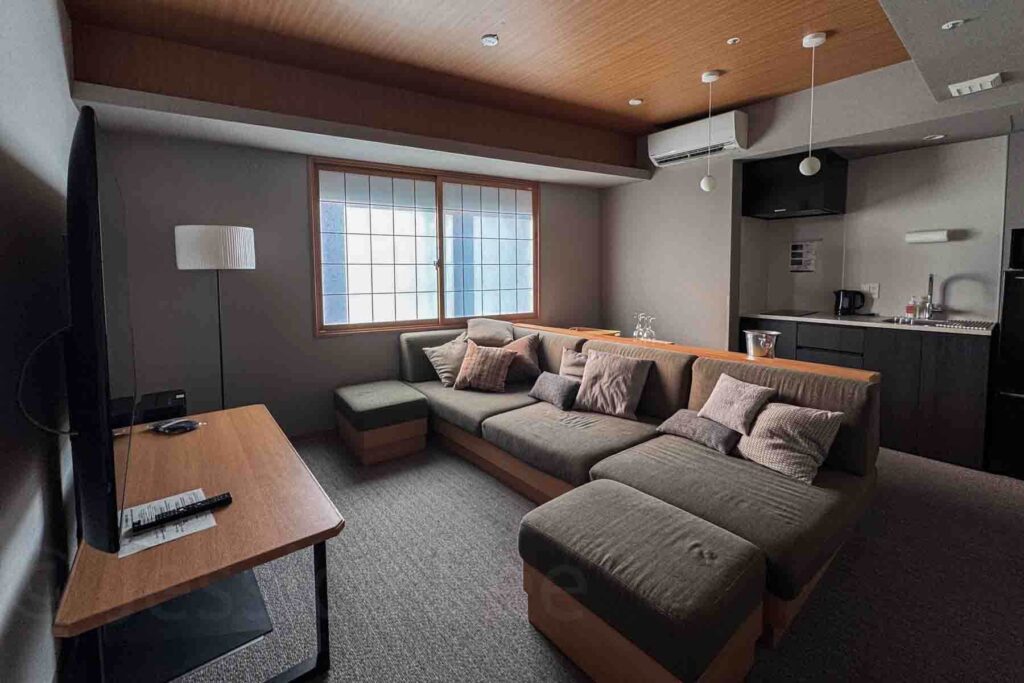
Private home stays and townhouses – maximum space, more responsibility
Private stays, such as townhouses or residential-style properties, can offer significantly more breathing room.
You may get:
- Multiple floors
- Separate bedrooms
- Full kitchen
- Laundry
- A true residential feel
For longer stays, this can feel comfortable and grounding. It also gives kids space to spread out.
The tradeoffs are different.
You may have:
- Less daily service
- Stricter check-in logistics
- More responsibility for cleanup
- More variation in quality
Transit access also varies depending on the exact location. With private homes, you need to pay close attention to proximity to stations and elevator access.
This option can work beautifully for families who want space and are comfortable managing a more independent stay.
So which type is best?
If you’re staying two nights and prioritizing location, a traditional hotel can work well.
If you’re traveling with multiple kids and want practical layouts, apartment hotels are often the easiest fit.
If you’re staying longer and want a residential base with maximum space, a private home or townhouse can feel ideal.
In Tokyo with kids, the goal is not luxury. It’s functionality. Choose the setup that supports how your family actually travels.
Planning your own trip with kids?
I share one email a month with real-world family travel strategies, packing tips, and destination breakdowns that make planning easier.
Join below.
Examples of Family-Friendly Stays in Tokyo
Once you’ve chosen the right neighborhood, the property itself still matters.
As a family of five, we look first at square footage, bed configuration, and location relative to transit. Amenities come second. Layout comes first.
Here’s what that has looked like in practice for us.
Where we’ve personally stayed
Mimaru Suites Tokyo Asakusa
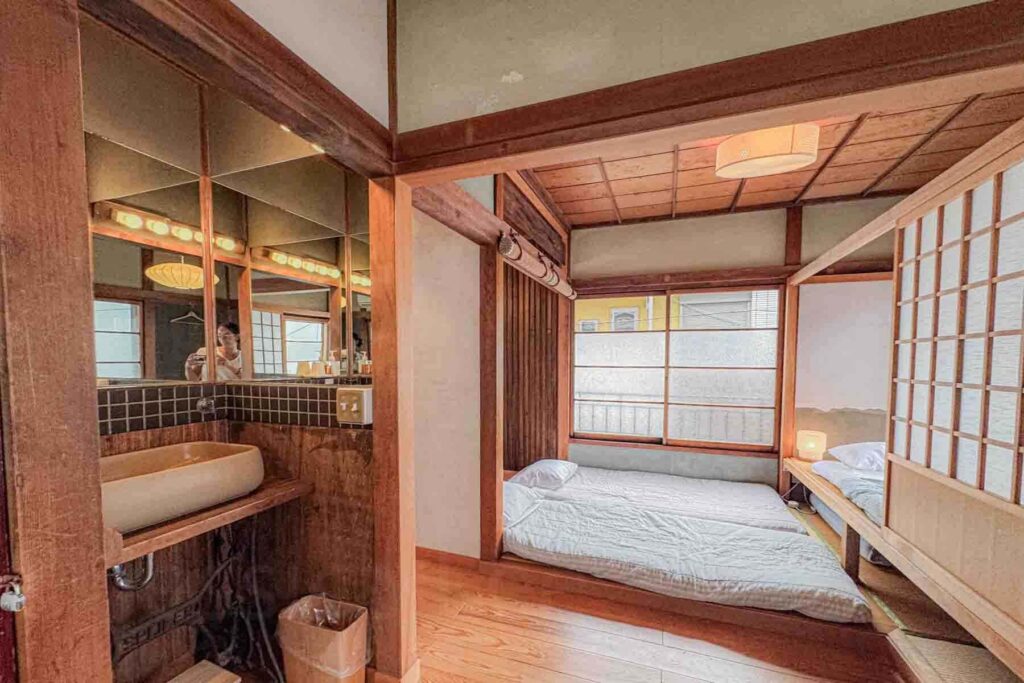
We stayed here with all three kids, and it remains one of the cleanest layout fits for a larger family. The apartment-style rooms offer clear sleeping zones, enough space to open luggage, and a practical location in Asakusa with easy transit access. It felt functional in the best way.
You can read our full Mimaru Tokyo Asakusa review here for a detailed breakdown of room layout and experience.
We’ve also stayed at Mimaru properties in Osaka, and the brand consistency is strong across locations. For families prioritizing space, the layout model works well.
Araiya Tokyo – Private Townhouse in Minato City
We stayed at Araiya with all three kids and appreciated the privacy and residential feel. As a private townhouse-style stay, it offered significantly more breathing room than a standard hotel room. Being located in Minato City meant strong transit access while still feeling quieter at night.
This type of setup works especially well for longer stays or families who want a more home-like base.
Disney Ambassador Hotel – Tokyo Bay Area
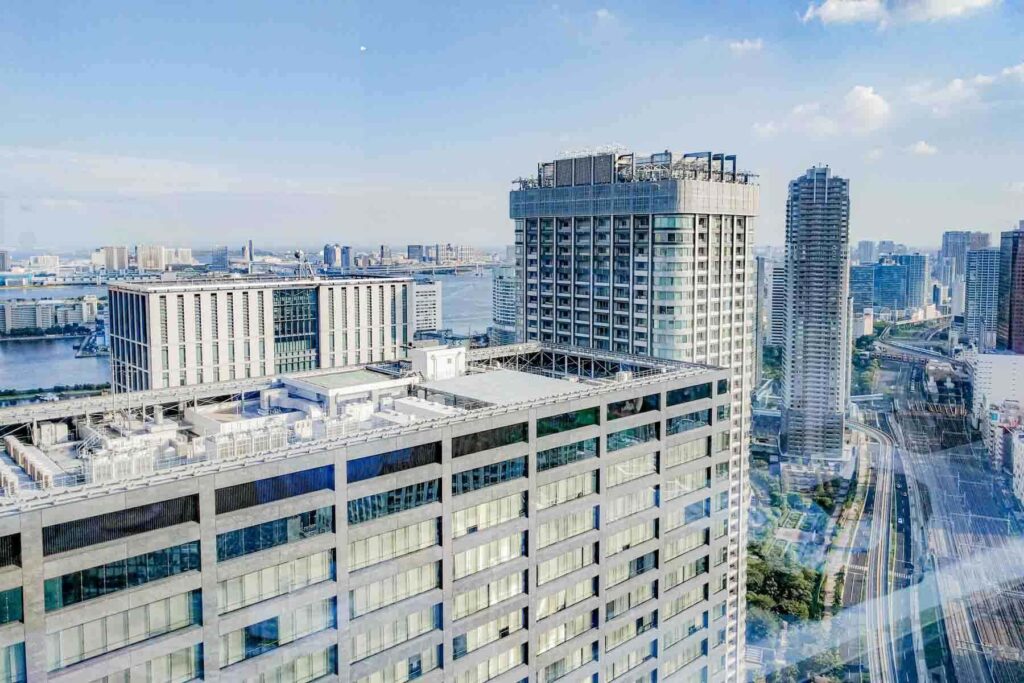
When traveling with all three kids and focusing heavily on Disney, staying in the Tokyo Bay area simplified those park days. The rooms are larger than many central Tokyo hotels and clearly designed for families.
The tradeoff is distance from central Tokyo sightseeing, so this type of stay makes the most sense when Disney is a primary focus.
Hilton Tokyo – Shinjuku
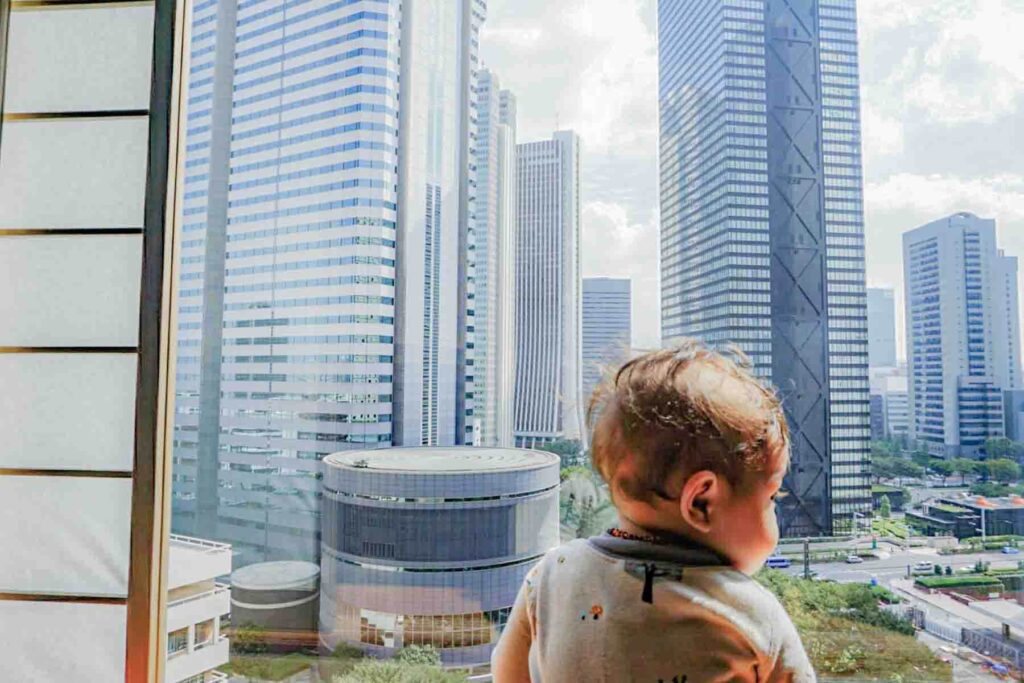
We stayed here with one child during an earlier trip. The transit access is excellent, and the service level is consistent. However, traditional hotel layouts can feel tighter with more children.
For larger families, careful attention to room category and square footage is important if choosing a traditional hotel in this area.
Park Hotel Tokyo – Minato City
We stayed here with one child and appreciated the polished atmosphere and central positioning. It works well for couples or smaller family setups.
For families of five, you would need to carefully evaluate room configurations, as standard layouts are more compact.
Other apartment-style stays that meet family-of-five criteria
While we haven’t personally stayed at the following properties, they consistently meet the space and layout criteria we prioritize when traveling as a larger family. That includes larger square footage, multiple sleeping surfaces, and strong transit proximity.
We evaluate based on floor plans, published room sizes, and consistent review patterns. These are well reviewed and I would consider staying at any of them on a future trip to Tokyo.
Premium Apart MONday Ginza EAST
- Larger apartment-style layouts
- Multiple bed configurations suitable for families
- Strong subway access in central Tokyo
- Located in a walkable but slightly quieter pocket of Ginza
This is a strong option for families who want central positioning with more functional room layouts.
MONday Apart Premium Asakusa
- Apartment-style rooms with clear sleeping zones
- Good square footage relative to standard Tokyo hotels
- Strong location near transit in Asakusa
- Practical layout for four or five guests
For families drawn to Asakusa but needing space beyond traditional rooms, this is worth evaluating.
&Here TOKYO UENO
- Larger room options compared to typical business hotels
- Convenient access to Ueno Station
- Close to park and museums
- Layouts that accommodate multiple sleeping areas
This could work well for families prioritizing Ueno’s practicality and transit advantages.
SHITAMACHI PLACE TOKYO
- Residential-style layout
- Focus on functionality over luxury
- Suitable square footage for multi-person stays
- Located in a more neighborhood-oriented part of the city
For families wanting a quieter, more local feel, this type of property can offer more breathing room.
FAQs About Staying in Tokyo With Kids
Where should a family of five stay in Tokyo?
A family of five should stay in Tokyo neighborhoods that offer larger room layouts and strong transit access, such as Asakusa, Ueno, or parts of Sumida City.
These areas tend to have more apartment-style hotel options and better room configurations than compact business hotels in busier districts. Always check the total square meters and confirmed bed layout before booking.
Do Tokyo hotels allow five people in one room?
Some do. Many do not.
Traditional hotel rooms frequently cap occupancy at four guests. Apartment-style hotels are more likely to offer layouts designed for five people. Confirm both the maximum occupancy and the room size before reserving.
Is Tokyo stroller friendly?
Tokyo is generally stroller friendly, especially in neighborhoods with elevators and easy train access.
Sidewalks are generally smooth, and most major train stations have elevators. However, some stations are large and require longer underground walks. Staying close to a station entrance with elevator access makes navigating with a stroller much easier.
A compact, easy-to-fold travel stroller can make train transfers significantly smoother, especially during rush hour. If you’re planning Tokyo specifically with a baby, you’ll also want to factor in elevator access and room layout more carefully. We go deeper into that in our guide to traveling to Japan with a baby.
Is it better to stay near a JR line in Tokyo?
Staying near a JR line in Tokyo can make transportation easier because these lines connect major hubs like Tokyo Station, Ueno, Shinjuku, and Shibuya.
Being close to a JR station can simplify airport transfers and day trips. That said, strong subway access can work just as well if it reduces walking distance to the station.
The goal is fewer transfers and shorter walks at the end of long days.
Is Airbnb reliable in Tokyo with kids?
Short-term rentals in Tokyo are regulated, and availability is more limited than in many other cities. Quality can vary depending on management and location.
Licensed apartment hotels or professionally managed private townhouses often provide a more predictable experience, especially when proximity to transit is a priority. Many of these apartment-style stays are listed on traditional hotel booking platforms alongside standard hotels, so you are not limited to Airbnb when looking for more space.
Which Tokyo neighborhoods are best for toddlers?
Quieter, walkable areas tend to work best.
Asakusa and parts of Sumida City offer calmer evenings and easier navigation. Ueno can also work well due to park access and museum space. Busier districts like Shibuya and Shinjuku may feel more overwhelming with very young children.
How far is Tokyo Disney from central Tokyo?
Tokyo Disney is located in the Tokyo Bay area, roughly 30 to 45 minutes by train from central neighborhoods like Asakusa, Shinjuku, or Tokyo Station.
If Disney is a primary focus of your trip, staying near Tokyo Bay reduces commute time. If it is just one day of your itinerary, a central base may offer more flexibility overall.
Choosing the Right Base in Tokyo
Choosing where to stay in Tokyo with kids is less about finding the “best” hotel and more about finding the right fit for your family.
The right neighborhood shortens your commute, smooths out your mornings, and gives everyone room to reset at night. Transit access, walkability, and layout matter far more than flashy amenities. A sleek lobby is still a nice bonus, though.
Once you’ve narrowed down the area that matches your trip style, selecting the right property becomes much easier.
If you’re still building out your Japan plans, this is just one piece of the bigger picture. Where you stay connects directly to how you can move through the city, what day trips make sense, and how manageable your itinerary feels with kids.
Next, explore:
- Our master list of 60+ fun things to do in Tokyo with kids
- How to use a luggage forwarding service throughout Japan
- Day trips from Osaka for families
Tokyo is an incredible city for families. With the right base, it becomes far easier to enjoy it fully.